1. Executive Summary & Market Context
The grocery retail landscape in Southern Europe is experiencing a deep shift. For years, fresh meat departments operated on a simple model: sell raw, single-ingredient cuts with low profit margins. But today, persistent food inflation, smaller household sizes, and the rise of the “fakeaway” trend are forcing a change. Consumers want restaurant-quality meals at home without paying restaurant prices.
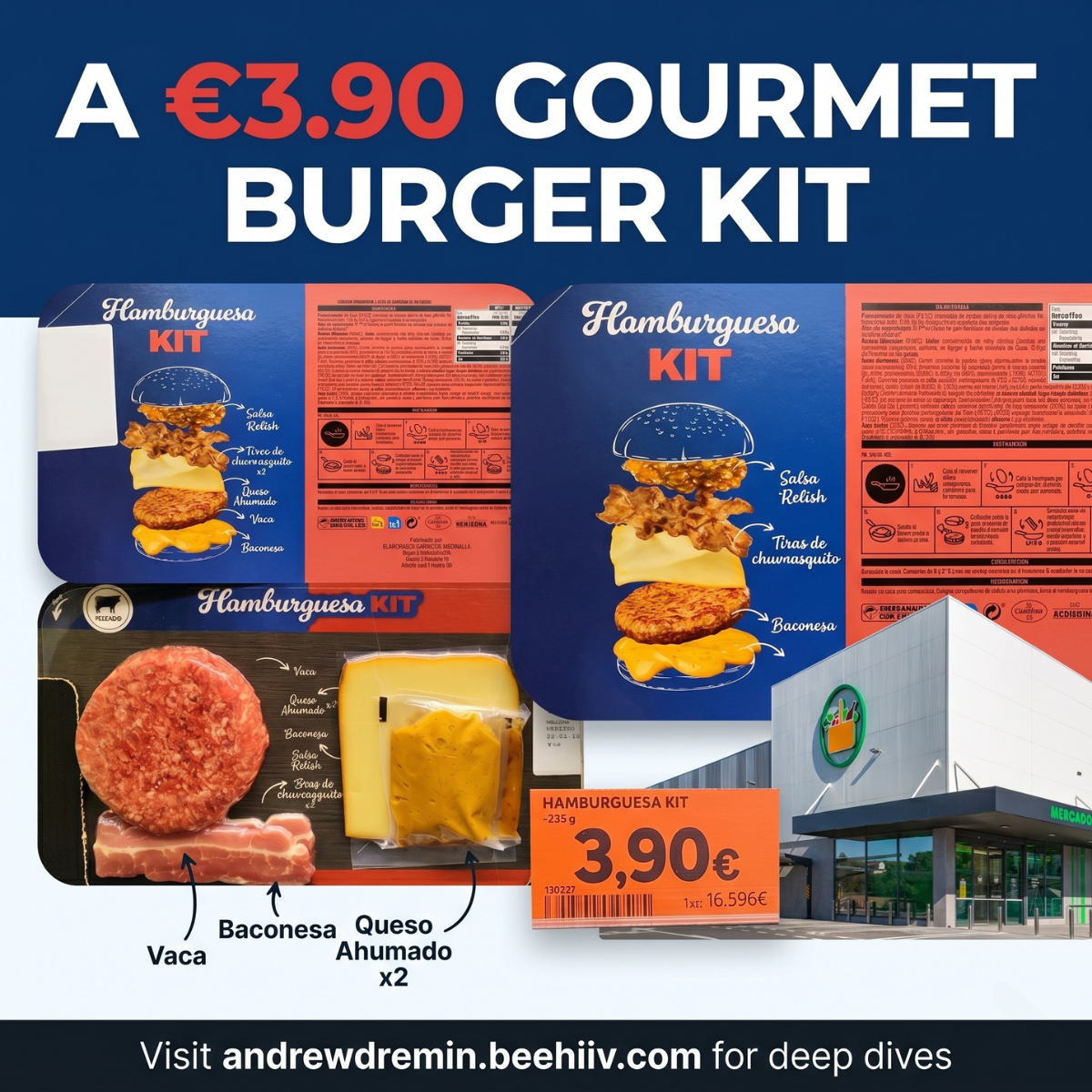
To capture this market, Spanish grocery giant Mercadona launched the Burger Meat Kit Premium under its “Hacendado” private label. Priced at €3.90 for a 235-gram tray, this single Stock Keeping Unit (SKU) has sparked a major debate among retail professionals, food safety experts, and restaurant owners.
Historically, Mercadona focused on high-volume, low-cost private label goods. However, this new burger kit represents a clear shift toward high-concept, multi-ingredient products. By offering gourmet ingredients in a single, portion-controlled package, Mercadona is not just competing with other supermarkets – it is directly challenging casual dining chains like Goiko and Vicio, as well as fast-food giants like McDonald’s and Burger King.
This report analyzes the product design, logistics, benchmarking, food safety challenges, and economics of this premium SKU. For retail and FMCG professionals, the Mercadona burger kit offers critical lessons on how to succeed – or fail – in the rapidly growing ready-to-cook category.
2. Deconstructing the SKU: Anatomy of the Premium Burger Kit
The Iterative Product Development Cycle
The premium burger kit did not appear overnight. It is the result of a clear “test-and-learn” product cycle. Mercadona first entered this space with a standard, lower-cost “Burger Meat Kit”.
The standard kit cost €3.50 for a 207-gram tray, which equaled €16.909 per kilogram. It contained a pork-and-beef blend patty, standard smoked cheese, bacon chips, and a smoky mayo sauce. While this standard SKU was convenient, it competed mostly with cheap, pre-packaged fast food.
To target the premium “gourmet” burger trend popularized by food festivals like The Champions Burger, Mercadona launched the Premium Burger Kit. At €3.90 for 235 grams, the premium kit actually has a lower unit price of €16.596 per kilogram than the standard version, but it offers a much more sophisticated selection of ingredients.
Ingredient and Weight Breakdown
The physical design of the premium tray contains five distinct, pre-portioned parts:
- Premium Burger Meat (51.1% of pack / 120g): A thick, 100% beef patty formulated with 98.5% beef, salt, antioxidants (E-301, E-331), natural aromas, and vegetable extracts.
- Beef Flank Strips / “Tiras de Churrasquito” (14.9% of pack / 35g): Two raw strips of beef chest and flank (filete de pecho/falda de vacuno). These strips are designed to be seared at high heat, mimicking the crispy texture and fat profile of bacon while keeping a premium beef flavor.
- Smoked Cheese / “Queso Ahumado” (14.9% of pack / 35g): Two thick slices of natural cow’s milk cheese of Austrian origin, seared with natural beechwood smoke (humo de madera de haya).
- Baconesa Sauce (10.6% of pack / 25g): A specialized, emulsified mayonnaise sauce containing 5% real pork bacon, natural smoke aromas, and concentrated beef broth to add savory depth.
- Salsa Relish (8.5% of pack / 20g): A sweet and tangy condiment based on corn dextrose, pickled gherkins, onions, dehydrated peppers, and mustard seeds to balance the fat of the beef and cheese.
The Strategic Omission of the Bun
One of the most important design decisions of this SKU is the omission of the hamburger bun. While international competitors often include bread in their kits , Mercadona intentionally left it out.
This decision has two main benefits:
- Price Psychology: Excluding the bun keeps the retail price of the tray below the critical €4.00 barrier. A €3.90 price tag feels highly affordable to budget-conscious shoppers.
- Cross-Merchandising: The empty space forces consumers to buy buns separately. Shoppers are naturally guided to the bakery aisle to buy premium brioche buns. This raises the average shopping basket value and increases the retailer’s overall profit margins.
3. Operational and Sourcing Ecosystem
A complex, multi-component fresh meat product requires a highly efficient industrial supply chain. To make this kit work, Mercadona relies on its long-term partner, Elaborados Cárnicos Medina, S.A.U., based in Buñol, Valencia.
The Sourcing Partner: Elaborados Cárnicos Medina
Medina has worked closely with Mercadona since 2016. The company operates a highly integrated supply chain. In 2009, Medina bought the Montellos slaughterhouse in Betanzos, Galicia, which is a major beef production hub in Spain. Today, Medina processes over 300,000 head of cattle annually and delivers 78 million packaged meat trays across various retail and food-service channels.
For Medina, the Premium Burger Kit is an excellent way to improve carcass balance. In beef processing, some premium cuts like tenderloin and ribeye sell quickly at high prices. However, cheaper cuts like flank (falda) are harder to monetize. By slicing the raw beef flank into “tiras de churrasquito” and selling them as a premium bacon substitute in the kit , Medina transforms a low-value cut into a high-margin specialty item.
Transnational Supply Chain Mapping
While Medina handles the final assembly and meat processing in Buñol , the kit’s raw materials come from a diverse, international supply chain:
- The Beef Patty: Made from Spanish beef, processed locally in Buñol.
- The Beef Flank Strips: Sourced from cattle born in France, then raised, slaughtered, and processed in Spain.
- The Smoked Cheese: Imported directly from Austria to ensure a high-quality beechwood-smoked flavor profile.
- The Sauces: Sourced from specialized sauce manufacturers who can guarantee high emulsion stability under cold storage.
This combined sourcing strategy allows Mercadona to offer high-quality, international ingredients while keeping its main meat supply domestic.
4. Cross-Retailer & International Benchmarking
Supermarket chains across Europe and North America have tried different ways to sell premium burger components. Comparing these models shows the unique advantages of Mercadona’s single-tray strategy.
The Spanish Market: Goiko’s Deconstructed Model
In Spain, the main competitor in the premium retail burger space is Goiko, a popular restaurant chain that launched its “Goikocina” retail brand in supermarkets like El Corte Inglés and Alcampo. However, Goiko’s retail strategy is completely different from Mercadona’s integrated kit. Goiko sells its premium components separately:
- Patties: A tray of two 180g patties (360g total) costs €8.99 (€24.97/kg).
- Buns: A pack of two brioche buns costs €2.05.
- Sauces: Standalone jars of Goiko sauces cost between €3.79 and €4.49 each.
While Goiko offers excellent quality, buying all the ingredients separately creates high entry cost for the consumer. A single shopper must spend nearly €15.00 to recreate the restaurant experience at home. Mercadona, on the other hand, targets the single-serve occasion, offering a complete ingredient tray (excluding the bun) for under €4.00.
International Competitors
Looking abroad, other retailers have designed different styles of burger kits:
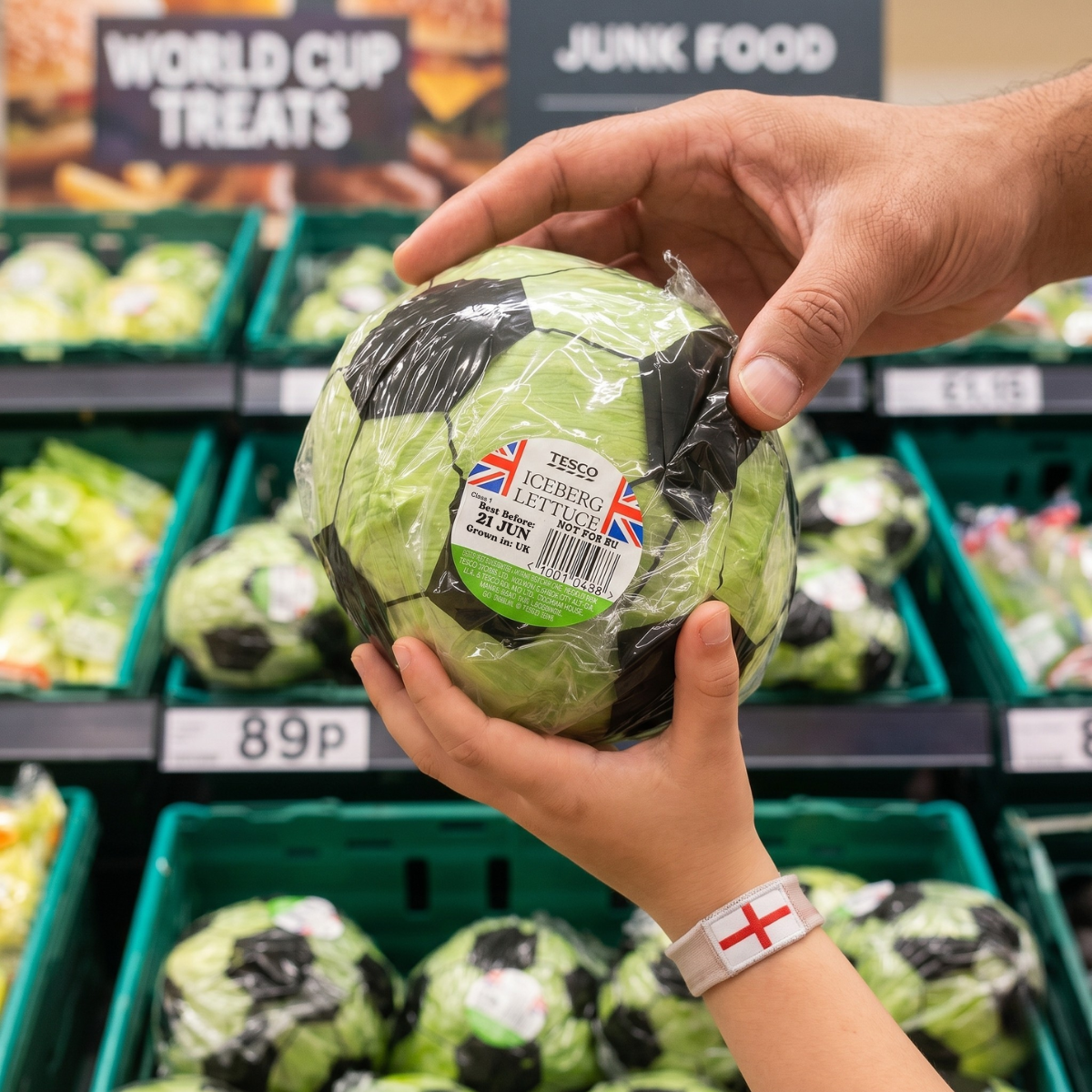
- Tesco (United Kingdom): Tesco sells a Beef Burgers Meal Kit (434g) for £7.85 (~€9.25). This kit is fully inclusive, containing two beef patties, two brioche buns, two processed cheese slices, and a sachet of burger sauce. While highly convenient, packing fresh bread in a cold, damp tray next to raw meat creates a high risk of the buns absorbing moisture and becoming soggy during transport.
- Wagyu X / Farm Shop (United Kingdom): This brand offers a luxury, farm-to-table kit ranging from £18.00 to £47.00 (serving 2 to 6 people). It features premium Wagyu beef, Montgomery’s Ogleshield cheese, cured bacon, and artisanal pickles. It targets high-end weekend dining rather than daily convenience.
- KOW Steaks (United States): A luxury, mail-order Smash Burger Kit priced at $175.00. It includes American Wagyu patties, a heavy-duty physical burger press, and custom seasoning. This kit targets serious outdoor grilling enthusiasts.
| Brand / Product | Retail Price (EUR Equivalent) | Key Components Included | Packaging Strategy | Target Audience |
| Mercadona Burger Kit Premium | €3.90 (235g) | Beef patty, raw beef flank, smoked cheese, 2 sauces [Image 4] | Multi-compartment tray, no bun | Budget “fakeaway” consumers |
| Goikocina (Goiko Retail) | ~€14.83 (total deconstructed basket) | Sold separately: 2x 180g patties (€8.99), 2x buns (€2.05), sauce jars (€3.79+) | Separate, individual retail packages | Premium brand loyalists |
| Tesco Beef Burgers Meal Kit | ~€9.25 (£7.85 per 434g kit) | 2x Beef patties, 2x brioche buns, 2x cheese slices, sauce | All-inclusive carton tray | Mid-market family dinners |
| Wagyu X Burger Kit | €21.00 – €55.00 (£18 – £47) | Wagyu patties, brioche buns, Ogleshield cheese, bacon, pickles, sauce | Chilled farm shop box | Luxury home dining |
| KOW Steaks Smash Burger Kit | ~€161.00 ($175.00) | 9x American Wagyu patties (3 lbs), burger press, seasoning | Mail-order direct-to-consumer box | Gourmet grilling enthusiasts |
5. The Technical and Food Safety Challenge (The Controversy)
Microbiological Risks and Cross-Contamination
The biggest challenge of a multi-ingredient fresh meat kit is the risk of bacterial cross-contamination. Raw ground beef is a high-risk food that can easily harbor pathogens like E. coli or Salmonella. Placing raw meat in the same tray as ready-to-eat items like cheese, cooked sauces, or buns is highly controversial.
In standard meal kits, ingredients are typically packaged in completely separate bags. However, in a compact retail tray, these items sit very close to each other. If raw meat juices leak or touch other packaging, it creates a major food safety hazard.
Packaging Engineering: MAP vs. Vacuum Sealing
To address this risk, Elaborados Cárnicos Medina uses advanced Modified Atmosphere Packaging (MAP). MAP replaces the oxygen inside the tray with a protective gas blend (typically carbon dioxide and nitrogen) to slow down bacterial growth and prevent the meat from turning gray.
Inside the tray, they use a multi-compartment barrier:
- The raw beef patty and raw beef flank strips sit openly in their own sections, exposed to the protective MAP gas.
- To prevent cross-contamination, the smoked cheese, relish, and baconesa sauce are sealed inside thick, separate plastic pouches before being placed in the tray .
While this plastic barrier keeps the ingredients isolated, it relies entirely on the strength of the inner pouches. Any small tear, pinhole, or sealing failure during high-speed production can let raw meat purge leak onto the cheese wrapping, creating a potential health risk.
The Shelf-Life “Weakest Link” Rule
A major operational issue for ready-to-cook kits is that the shelf life of the entire product is limited by its most perishable ingredient. Smoked cheese and processed sauces can easily last for months under refrigeration. However, raw ground beef has a very short shelf life of just a few days.
Once the raw beef expires, the entire kit – including the cheese and sauces – must be thrown away. This “weakest link” rule leads to higher retail waste (shrink) if store managers do not carefully align daily inventory replenishment with local customer demand.
6. Retail vs. HORECA & Fast-Food Giants: The Cost Arbitrage
The Mathematics of Home Assembly
The primary value proposition of the Mercadona Premium Burger Kit is its aggressive cost-arbitrage against the casual dining and quick-service restaurant (QSR) sectors. High-growth gourmet burger chains in Spain, such as Vicio, Goiko, and Five Guys, have elevated the average price of a standard premium burger to a range of €11.00 to €15.50.
This yields a total cost of approximately €5.05 for a restaurant-grade double-cheese-and-bacon-style burger. When contrasted against a Five Guys Cheeseburger (€15.50), a Goiko Kevin Bacon (€13.90), or a Vicio Bacon Cheeseburger (€11.90), the retail kit delivers a direct consumer cost saving of 57% to 67%.
The Fast-Food Threat: McDonald’s & Burger King
This premium SKU does not just compete with casual dining chains; it is a direct threat to traditional fast-food giants. In the past, brands like McDonald’s and Burger King attracted budget-conscious families. However, rising food prices have increased fast-food menu costs significantly.
Today, a signature or premium menu at McDonald’s or Burger King in Spain costs between €8.00 and €11.00. For just €5.05, a consumer can cook a burger with a fresh, 100% beef patty, raw seared flank, and real Austrian smoked cheese. This offers a 40% to 55% saving over fast-food menus, while using significantly fresher, higher-quality ingredients.
The main advantage fast food still has is convenience. The Mercadona kit requires a multi-step, active cooking process:
- Tempering: Letting the raw meat sit at room temperature for 10 minutes.
- Searing the Patty: Cooking the thick beef patty on high heat for 1 minute per side, then 2 minutes on medium heat.
- Melting the Cheese: Placing the Austrian cheese on the patty while it is still hot.
- Searing the Flank: Cooking the raw beef flank strips on high heat for 1.5 minutes per side.
- Assembly: Building the burger with the cheese-melted patty, crispy flank, baconesa, and relish.
For busy consumers, this 15-minute cooking and cleaning effort is still a barrier. But for budget-conscious families and young professionals looking for a high-quality “fakeaway” experience, the financial savings are highly persuasive.
7. Strategic Takeaways & Playbook for Retail and FMCG Executives
The Mercadona Premium Burger Kit provides key lessons for retail category managers, food producers, and restaurant operators.
Actionable Roadmap for Retailers
- Optimize Carcass Balance with Meal Kits: Retailers should work closely with meat suppliers to identify low-value, under-monetized cuts (like flank, brisket, or skirt steak) and turn them into premium ingredients for meal kits. Using raw flank strips as a premium bacon substitute is a highly effective way to increase supplier margins and lower overall meat costs.
- Implement Strict Multi-Zone Sealing: When packing raw proteins next to ready-to-eat dairy or sauces, do not rely on simple plastic wraps. Retailers should use tough, multi-cavity thermoformed trays and high-performance barrier films (like PA/PE or EVOH) to seal and isolate each component completely.
- Leverage Cross-Merchandising: Do not design all-inclusive kits that contain bread. Excluding the bun lowers the tray price, making the product look highly affordable, and guides customers to the bakery aisle to buy high-margin fresh items separately.
Strategic Defenses for HORECA and QSR Operators
- Focus on Experiential Dining: Restaurants cannot compete with supermarkets on price. To defend their market share, casual dining chains must focus on experiences that are very difficult to replicate at home, such as dry-aged beef blends, unique wood-fired cooking methods, or high-energy dine-in atmospheres.
- Offer Strict Dietary and Allergen Security: Restaurant chains should promote specialized dietary options, such as certified gluten-free cooking areas or creative plant-based menus. These preparations require highly strict separation to prevent cross-contamination, which is difficult for mass-market retail kits to guarantee.

Leave a Reply