
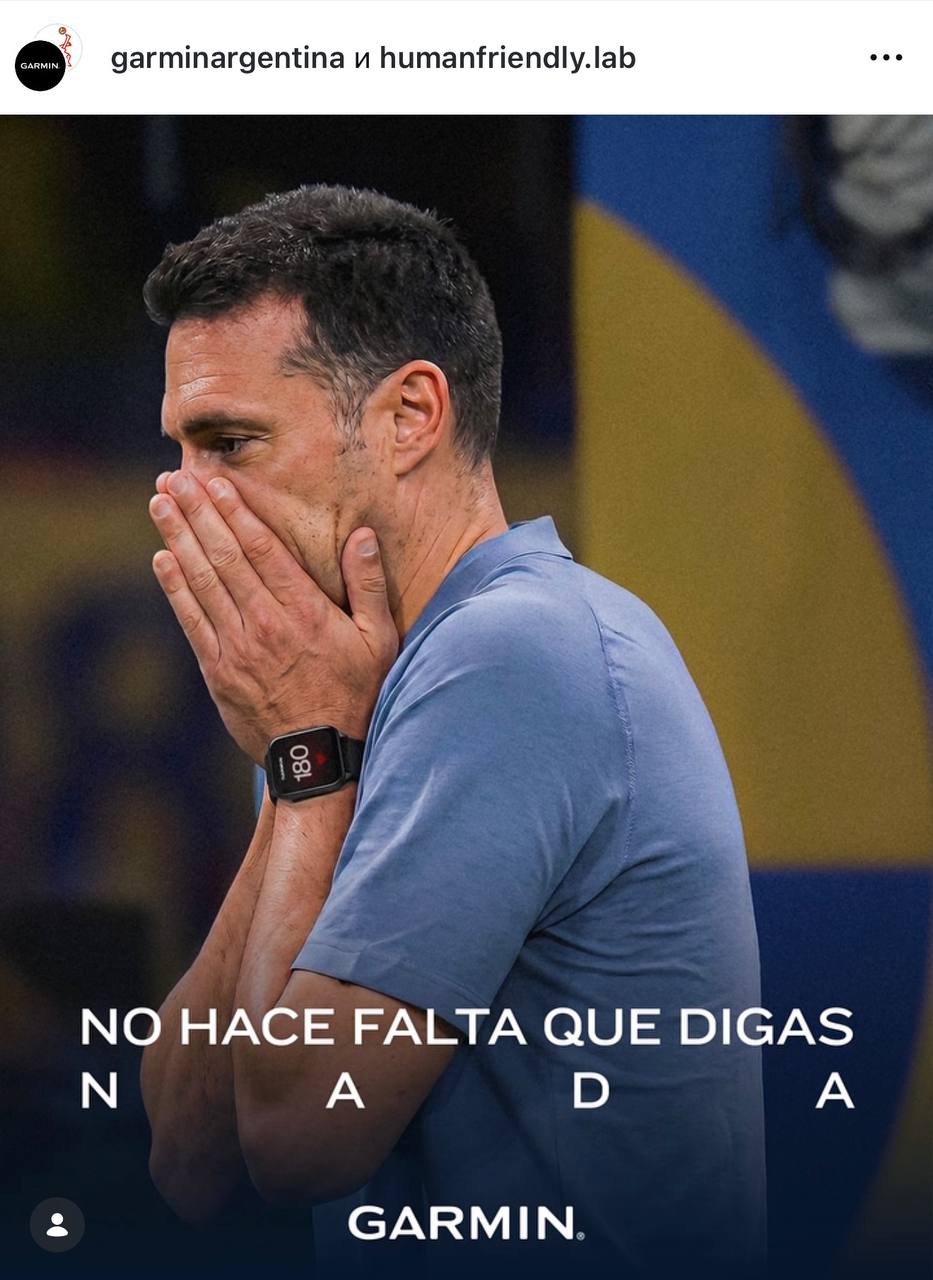
July 7, 2026. Round of 16 at Mercedes-Benz Stadium in Atlanta. In the build-up, much attention was on the scaloni garmin watch that caught everyone’s eye.
Egypt held a 0-2 lead over defending champions Argentina deep into the second half. Lionel Messi had missed a first-half penalty, Mostafa Ziko doubled Egypt’s lead on a counter, and Argentina faced immediate elimination. Then came the late surge: Cristian Romero scored in the 79th minute, Messi equalized in the 83rd, and Enzo Fernández buried the winner in the 93rd.
Three goals in 11 minutes turned a 0-2 loss into a 3-2 victory.
On the sidelines, head coach Lionel Scaloni was visibly unraveling. The 48-year-old former Deportivo La Coruña right-back from Pujato has never been a stoic touchline manager. Scaloni is famously emotional—his own squad has teased him in the media for crying after high-stakes matches, giving him the nickname “La Llorona”. He openly admits he coaches not for tactics or status, but purely for the raw, overwhelming feelings of matchday. Staring down an embarrassing World Cup exit, his distress on live television—head buried in his hands, pacing, overwhelmed—was 100% genuine.
Hours later, Garmin Argentina published an Instagram ad built around that exact photo of Scaloni holding his face. Digitally edited onto his wrist was a Garmin smartwatch displaying a pulse reading of 180 BPM. The caption read: “No hace falta que digas nada. Tus latidos ya dijeron todo” (“You don’t need to say anything. Your heartbeat already said everything.”).
The post blew up instantly, quickly followed by tech callouts: the image was a quick Photoshop edit, and the 180 BPM figure was manually entered by a social media designer.
It did not matter, because the feature set it pointed to was real.
Garmin’s entire brand value across its product lineup is built around real-time physiological metrics:
- Product Tiers & Pricing: Options span from entry-level running models like the Forerunner 165 ($250) and mid-tier watches like the Forerunner 265 or Venu 3 ($450), up to flagship multisport devices like the Forerunner 965 ($600) and the Fenix 8 / Epix Pro line ($800–$1,200).
- Sensor Hardware: Modern units run Garmin’s Elevate Gen 5 optical sensor—a multi-LED array (combining green and orange light modules) and photodiode receptors that read pulse changes and blood flow through the skin every second.
- Abnormal Heart Rate Alerts: The watch continuously monitors rest states. If you sit still on a bench and your pulse spikes above a preset limit without physical movement, the device triggers an emergency vibration alert. Sitting in a dugout at 180 BPM, Scaloni’s watch would have been buzzing non-stop.
- HRV Stress Tracking: Using Heart Rate Variability (the millisecond micro-changes between beats), Garmin calculates autonomic nervous system strain on a 0–100 scale. It directly measures the sympathetic “fight-or-flight” response during intense emotional stress.
- Body Battery & Health Metrics: Algorithms combine sleep quality, HRV, and daily stress to show real-time energy drain—quantifying the exact physiological toll of sitting through an 11-minute World Cup comeback.
Garmin didn’t need Scaloni to actually wear their watch; they just needed to anchor their core software functions to a live emotional moment that millions of people had just experienced.
My clients frequently ask how to engineer viral campaigns. My answer stays the same: stop trying to plan virality six months in advance. You cannot schedule cultural relevance in a quarterly approval meeting.
Garmin skipped studio shoots, talent contracts, and long sign-off chains. They identified an unscripted human emotion on TV and connected their product logic to it within hours.
The strategic takeaway for retail and FMCG real-time marketing is simple: speed beats production budget. Build marketing teams structured to act in hours rather than months. Find where your product’s primary utility meets live culture, and launch while the screen is still warm.
Source: Garmin Argentina


