
FMCG
-
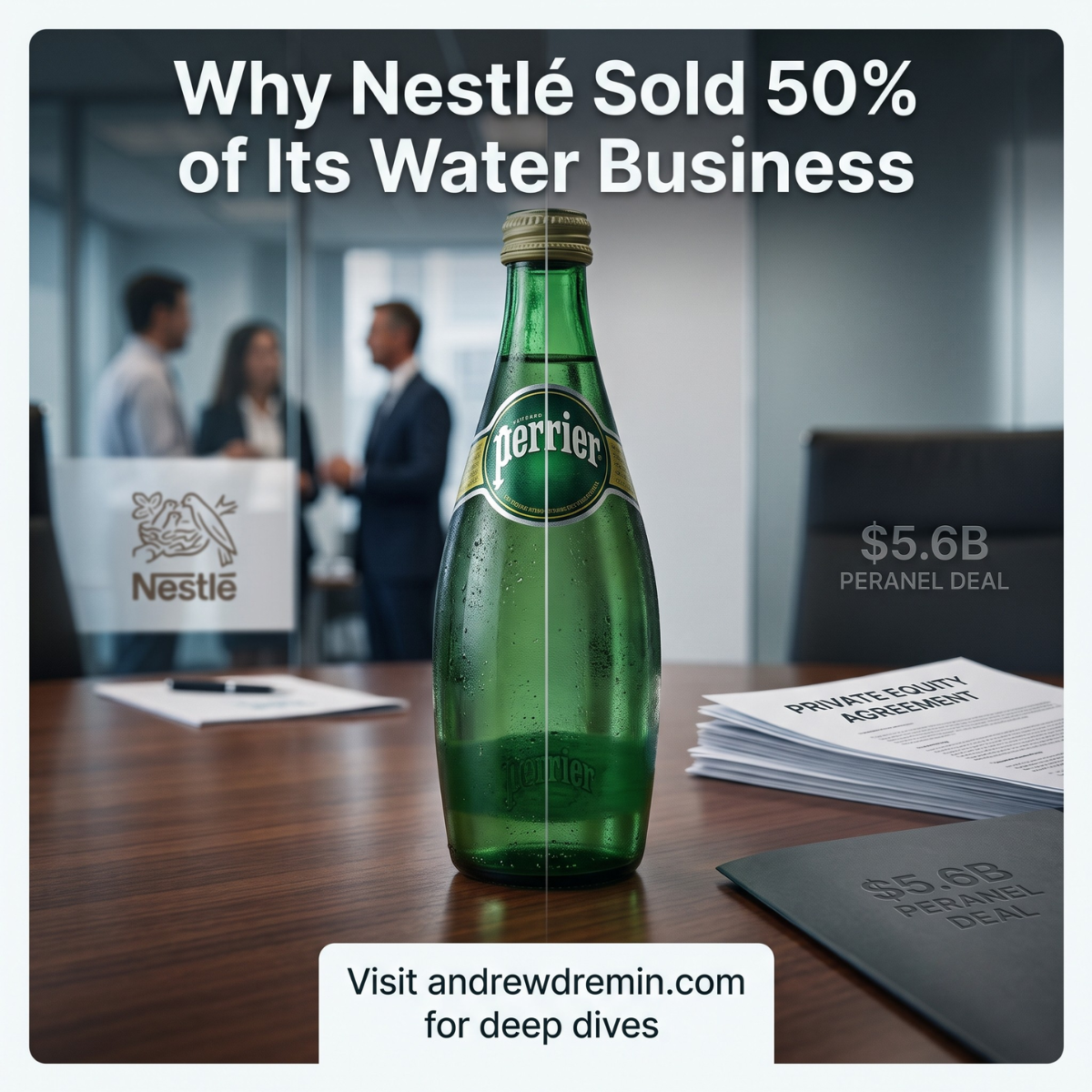
Why Nestlé Sold 50% of Its Water Business
Nestlé experienced a significant 31.4% decline in net profit in H1 2026, coinciding with the announcement of a 50/50 joint venture with Platinum Equity, forming a new company, Peranel, which houses its $5.6 billion water business. The profit drop resulted from a planned asset write-down and restructuring costs, despite a 3.6% organic sales increase. The…
-
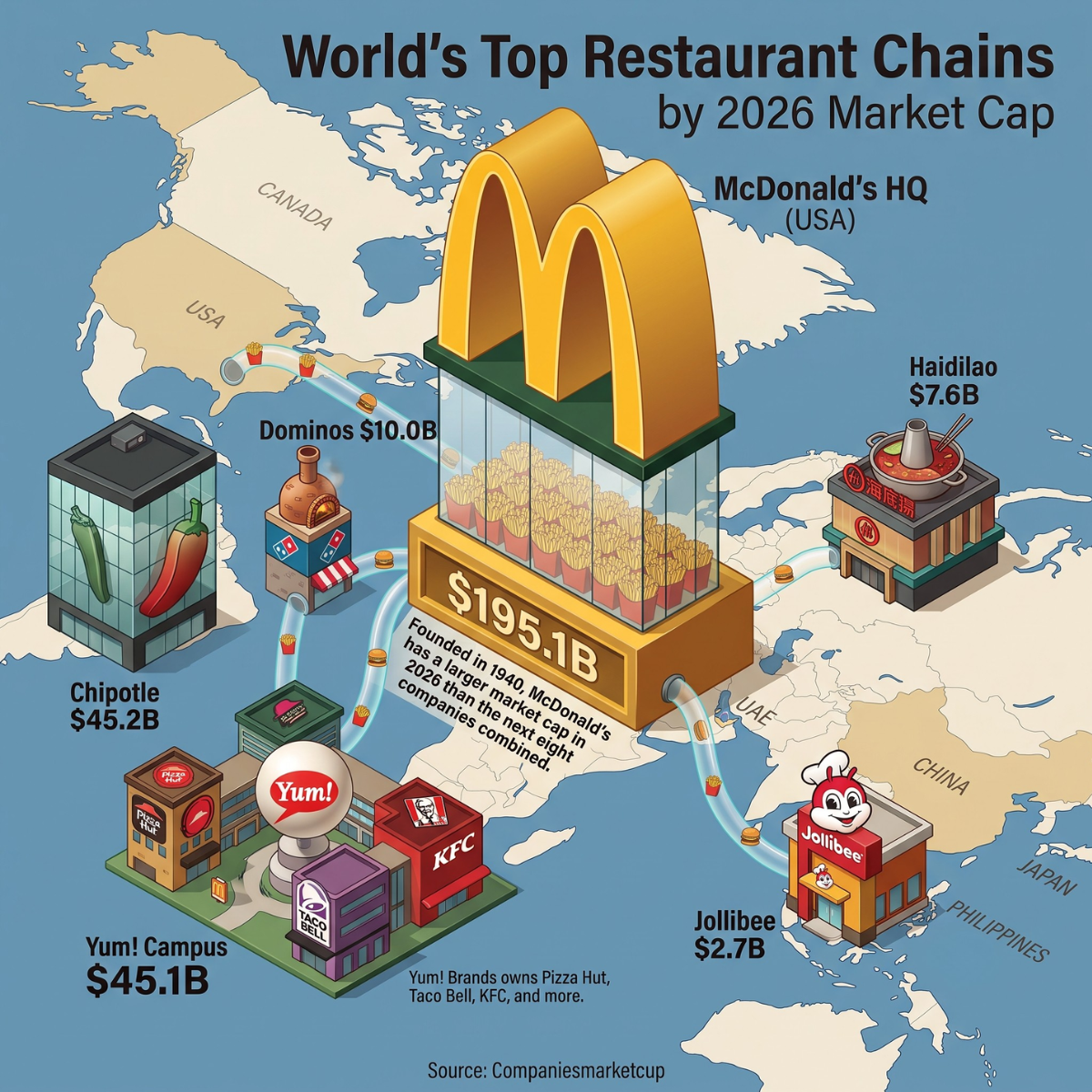
The Real Estate Mechanics Behind the $195.1 Billion Valuation
$195.1 billion. That is the massive market cap of McDonald’s in July 2026. The burger giant is no longer just a food business. It operates as a real estate monopoly disguised as a fast-food chain. To understand this valuation, you must look at the underlying business model. McDonald’s does not make most of its money…
-
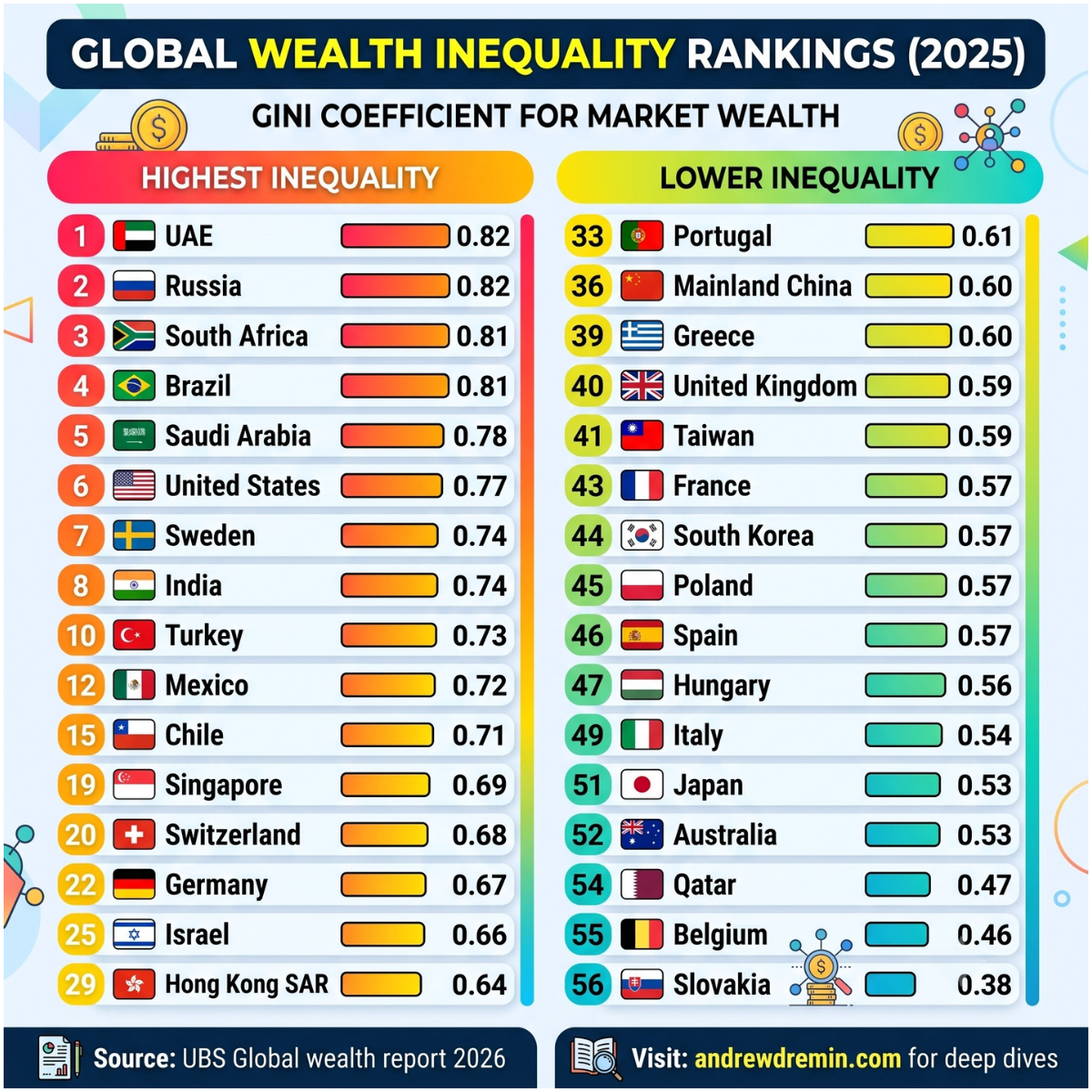
Wealth inequality 2026
0.77. That is the wealth Gini coefficient of the United States according to recent global data. Most retail managers look at US GDP per capita, see a high number, and assume it is an automatic goldmine. They are wrong. High economic averages hide a brutal structural reality for consumer brands. To understand the market, you…
-
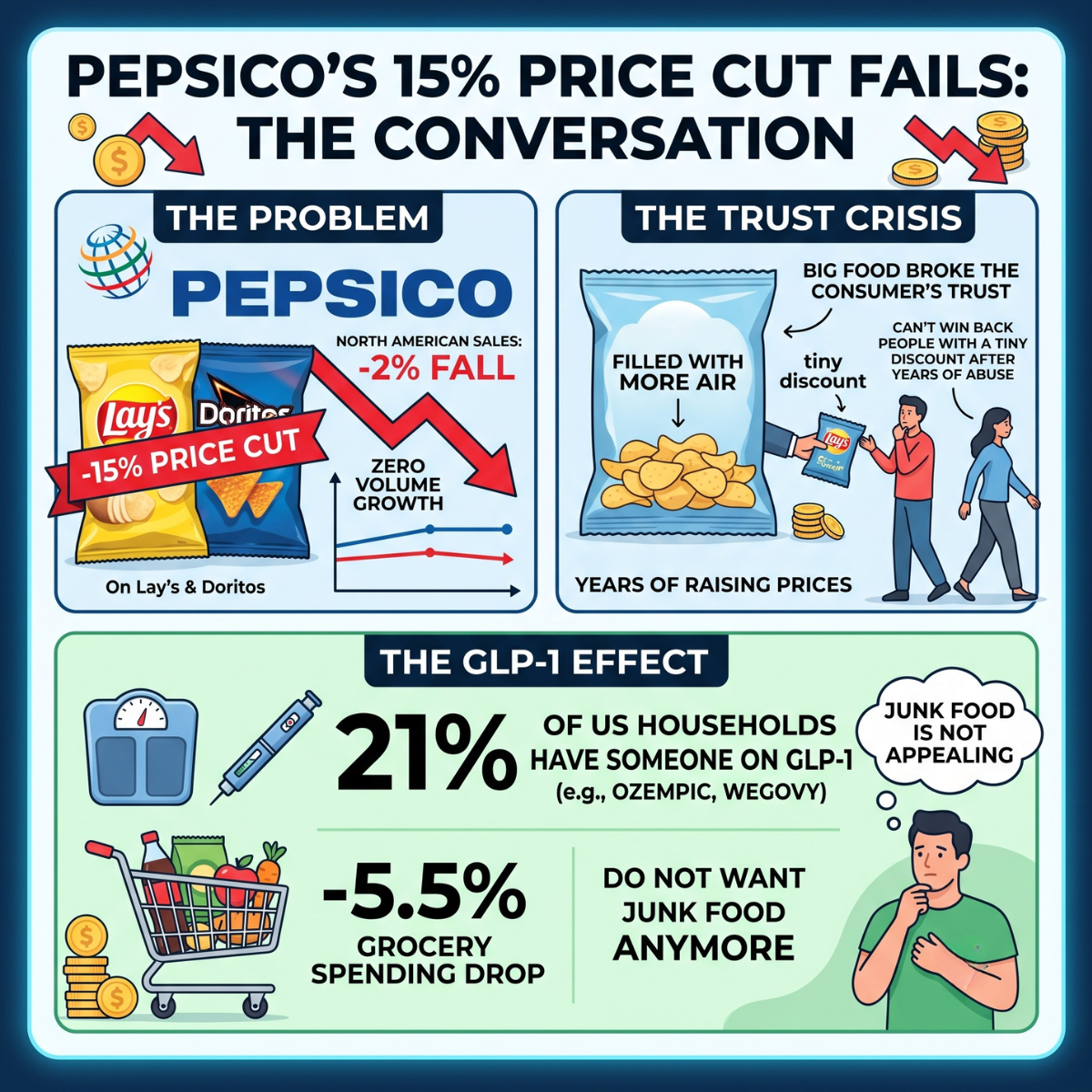
PepsiCo 15 Percent Price Cut: Why Revenue Dropped 2%
On July 9, 2026, the global food and beverage giant PepsiCo published its second-quarter financial results, which included the announcement of a PepsiCo 15 percent price cut on select products. At first glance, the numbers looked like a solid victory. Net revenues rose 6.4% year-over-year to $24.18 billion, beating Wall Street expectations. Core earnings per…
-
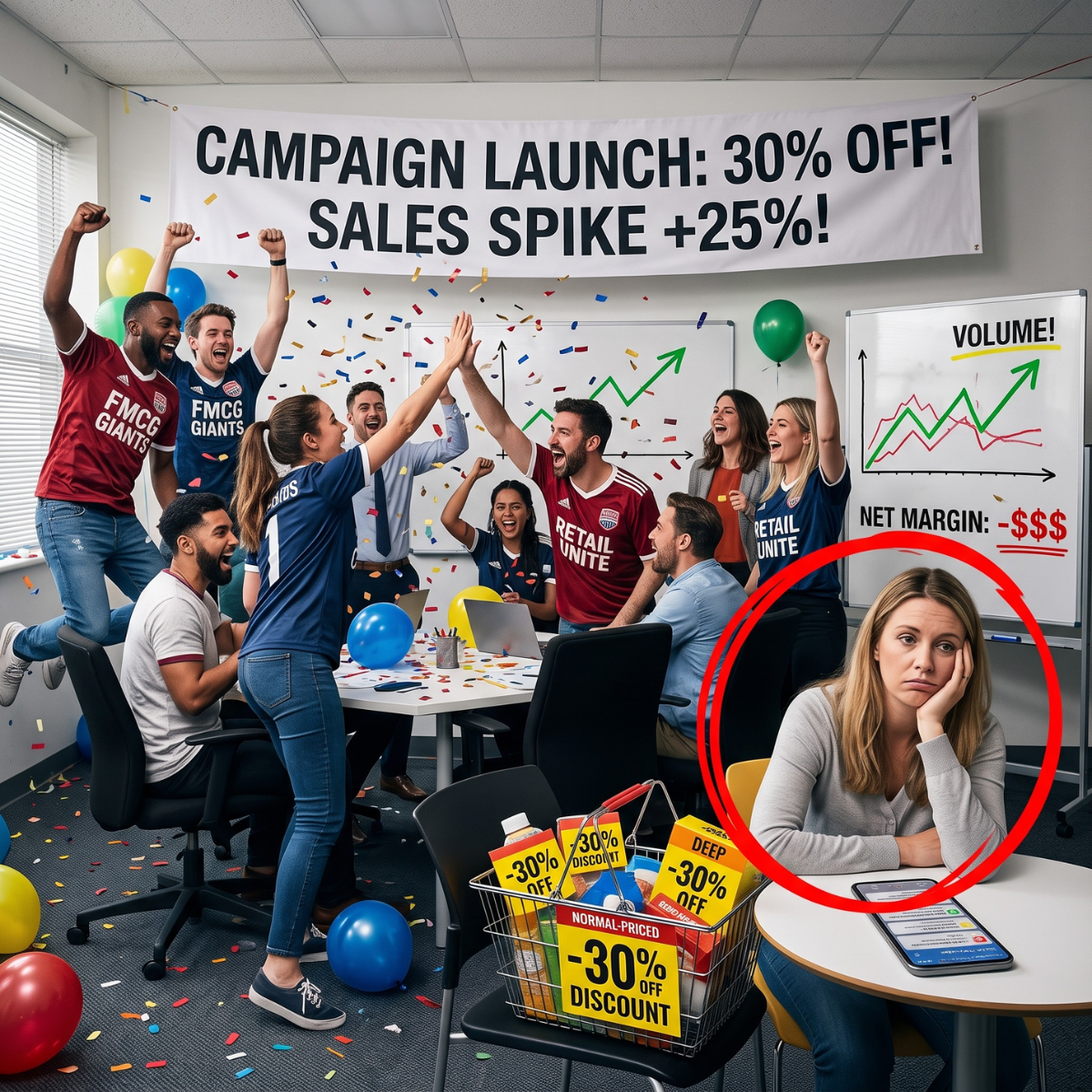
72% of Retail Promotions Lose Money. Stop Celebrating False Victories.
72% of retail trade promotions lose money. This is not a guess; it is a consistent statistical fact across global fast-moving consumer goods (FMCG) markets. Yet, if you walk into the office of almost any FMCG brand or retail team during a campaign, you will see people celebrating like they just won a football world…
-
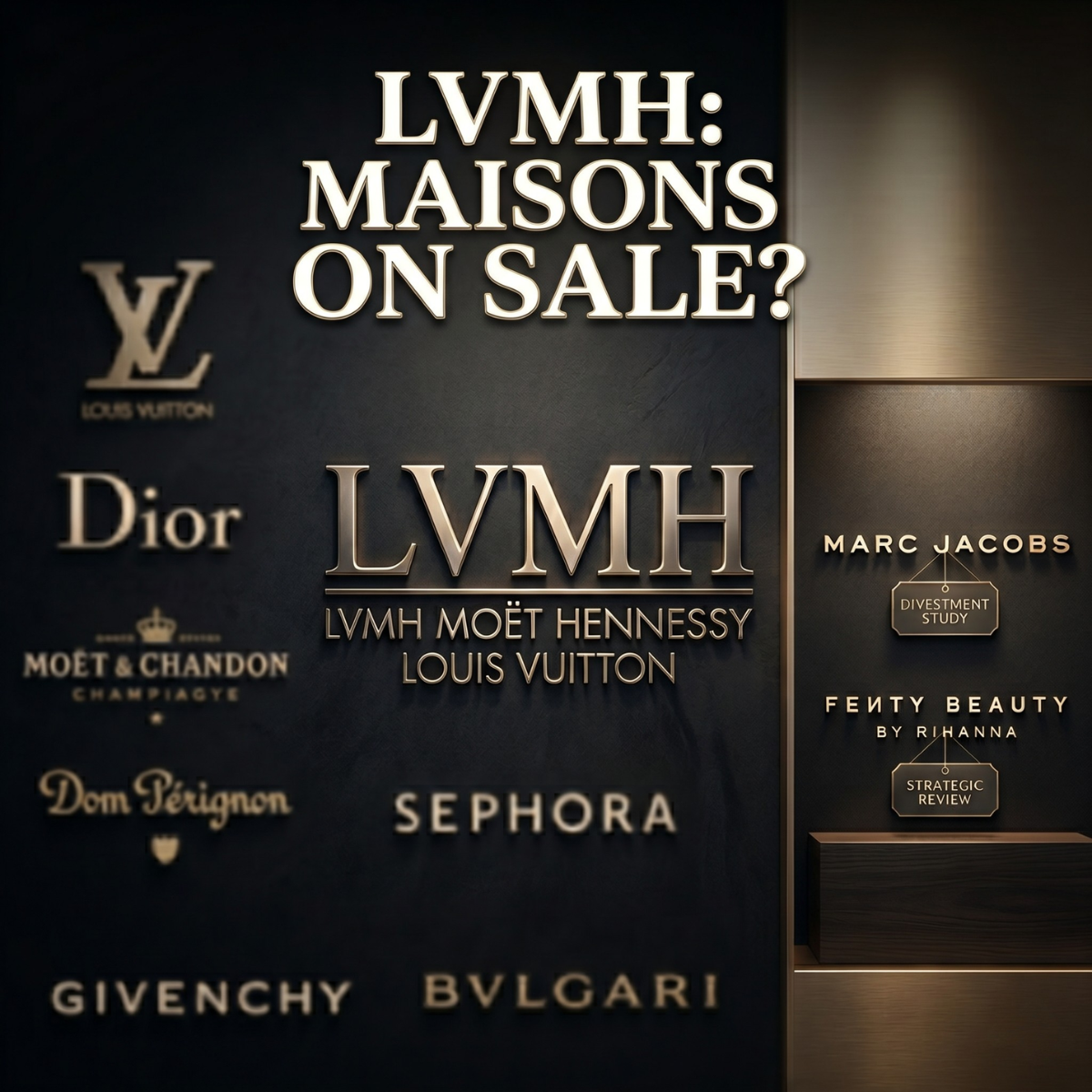
The Gilded Fortress: Inside LVMH’s High-Stakes Strategy Pivot
Since 1989, Arnault built LVMH Moët Hennessy Louis Vuitton into a “global acquisition machine,” amassing 75 iconic “Maisons” and 6,280 stores . He pioneered the “conglomerate model,” taking family-run brands and applying cold, corporate discipline . But on May 5, 2026, the script was torn up. LVMH officially signaled the start of the “Great Retrenchment.”…
-
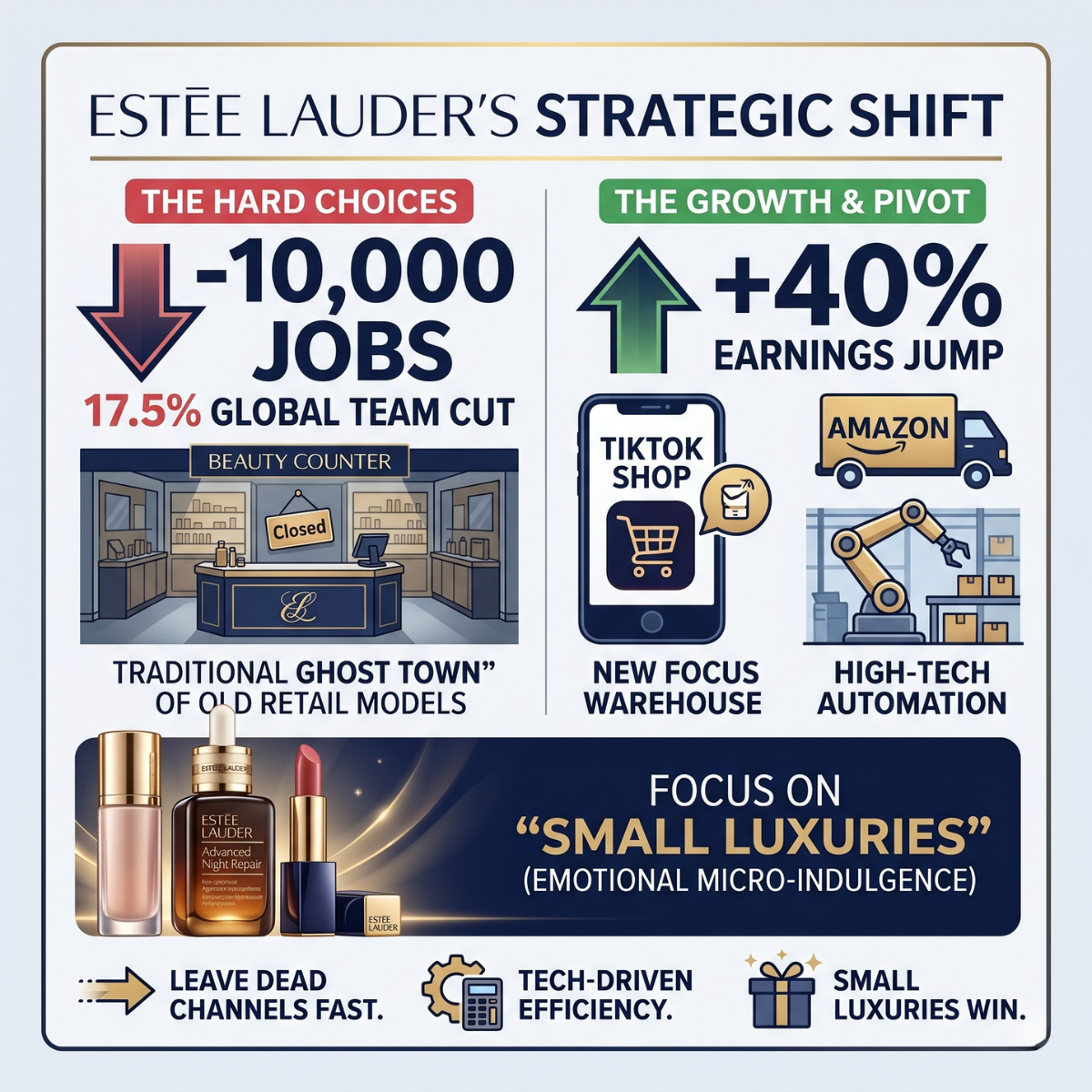
The Phoenix of Prestige: How Estée Lauder Rebuilt Its Empire for 2026
For many years, the story of The Estée Lauder Companies (ELC) was one of “average” performance. It was a classic family business with many famous products, but it was moving too slowly. Business analysts often said the company was better at keeping old customers than finding new ones. But today, in early 2026, the story…
-
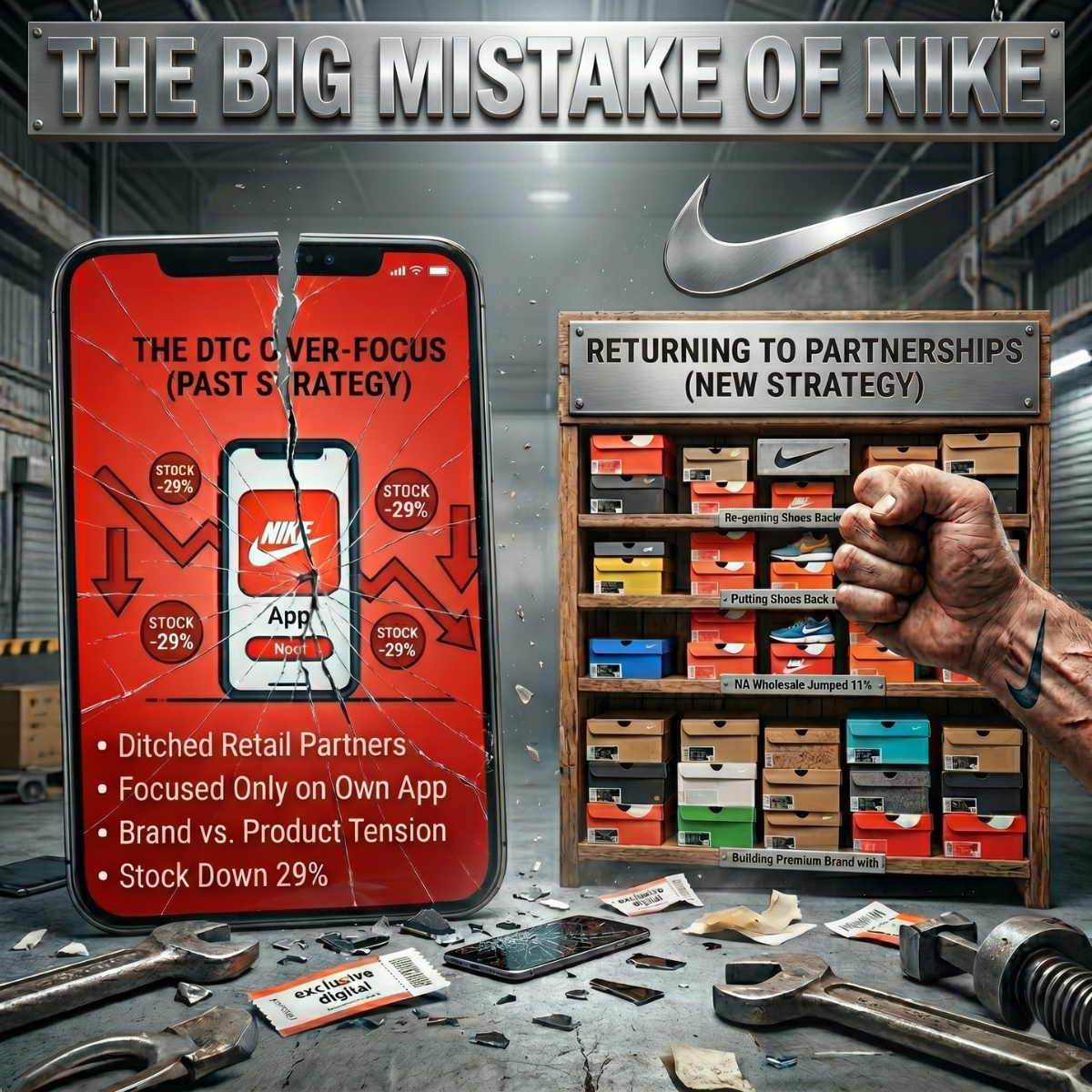
Why Nike Sales Are Dropping: D2C Failure & Win Now Plan
If you follow my posts on LinkedIn, you know I don’t care for corporate marketing talk. I like logic. I like data. And right now, Nike Inc. is a case study in what happens when a giant brand loses its way and tries to fight its way back. I’ve spent the last week digging into…
-
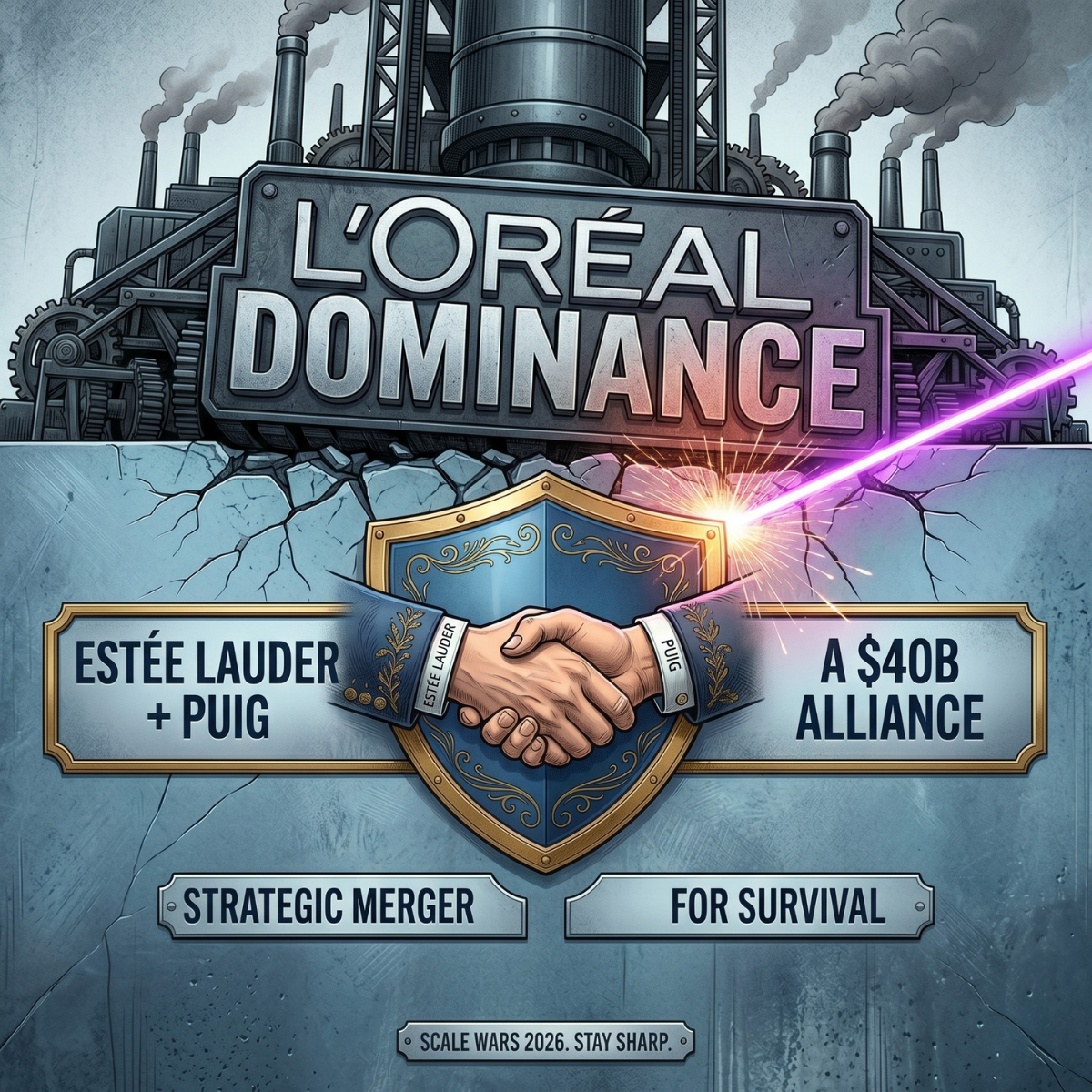
Strategic alliance: Estée Lauder-Puig
The beauty world is going through a massive earthquake in 2026. For decades, the industry was about big companies buying small, cool brands. But now, the game has changed. We are in the era of the “Scale Wars.” Two of the world’s most famous families- the Lauders in New York and the Puigs in Barcelona…
-
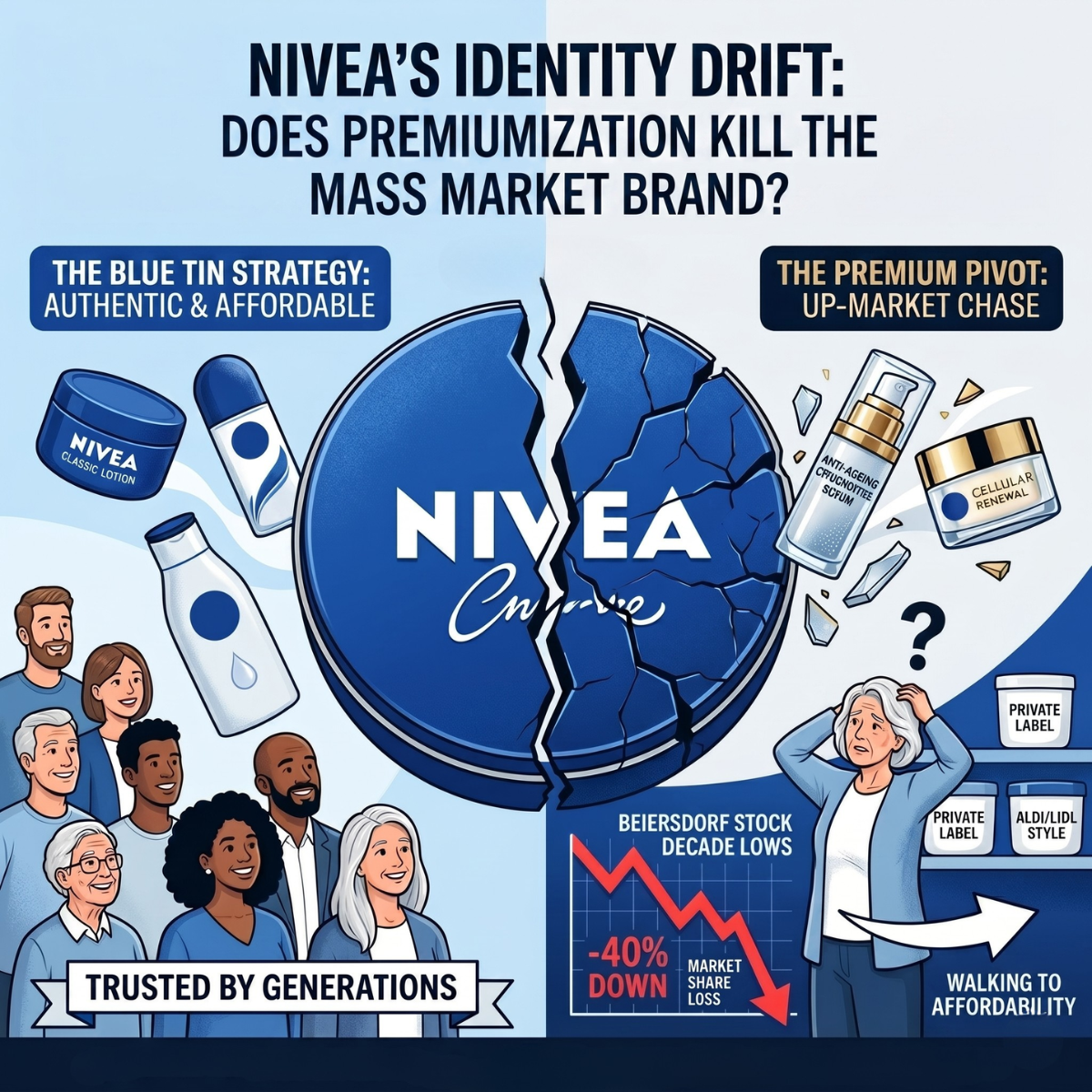
Testing the Limits of Brand Power: Nivea in an Inflated Economy
The End of the Old Marketing Rules For a long time, the rules for selling everyday consumer goods were simple. Companies built a brand, people trusted it, and customers happily paid a higher price for it. When people had extra money in their pockets, they were happy to pay more for brand loyalty. But lately,…